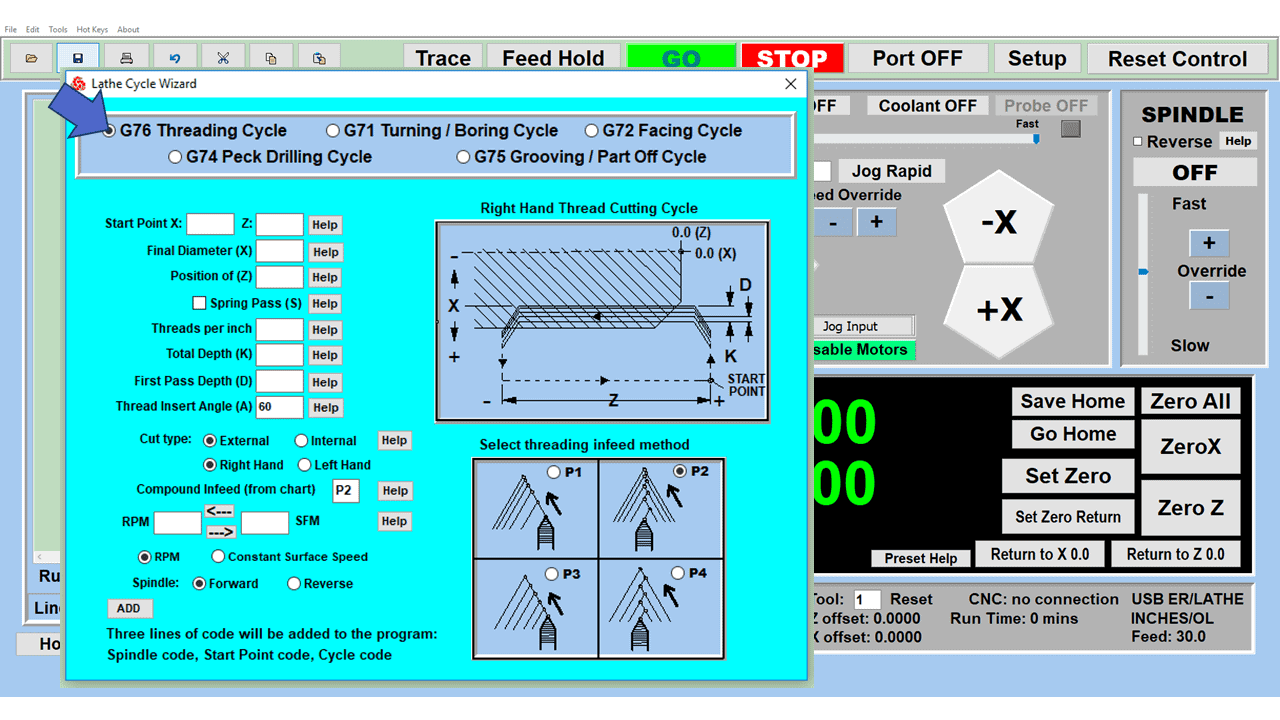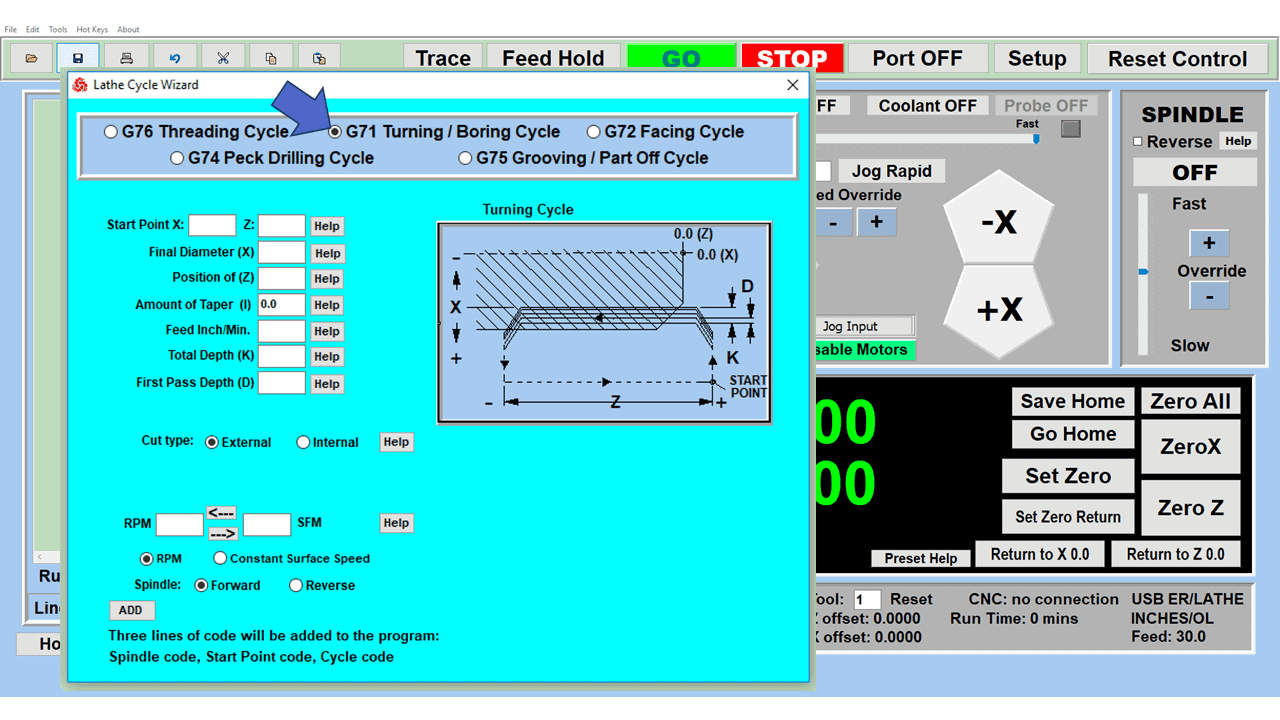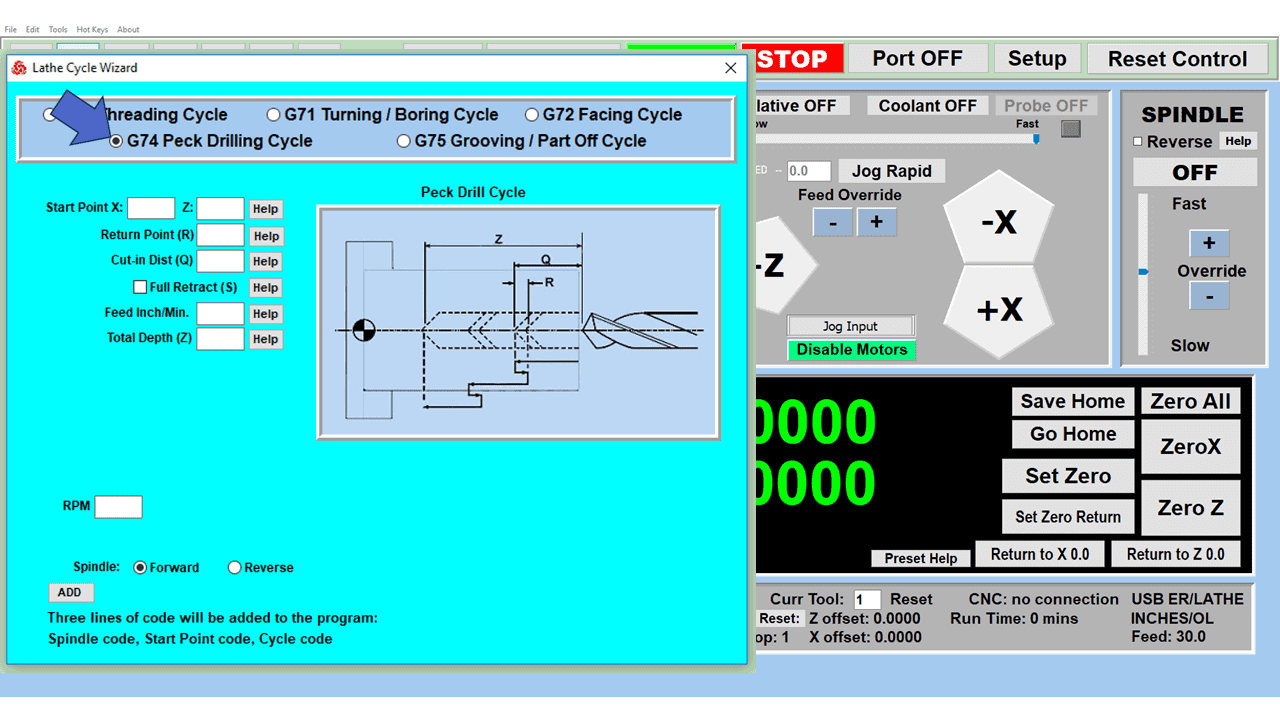
Before the invention of the CNC 1340 lathe, workers in the woodturning, metal working, metal spinning, and glassmaking industries cut, sanded, drilled, deformed, or added knobs to materials manually. Despite the lack of sophistication of the early lathes, early craftsmen still produced materials of excellent quality.
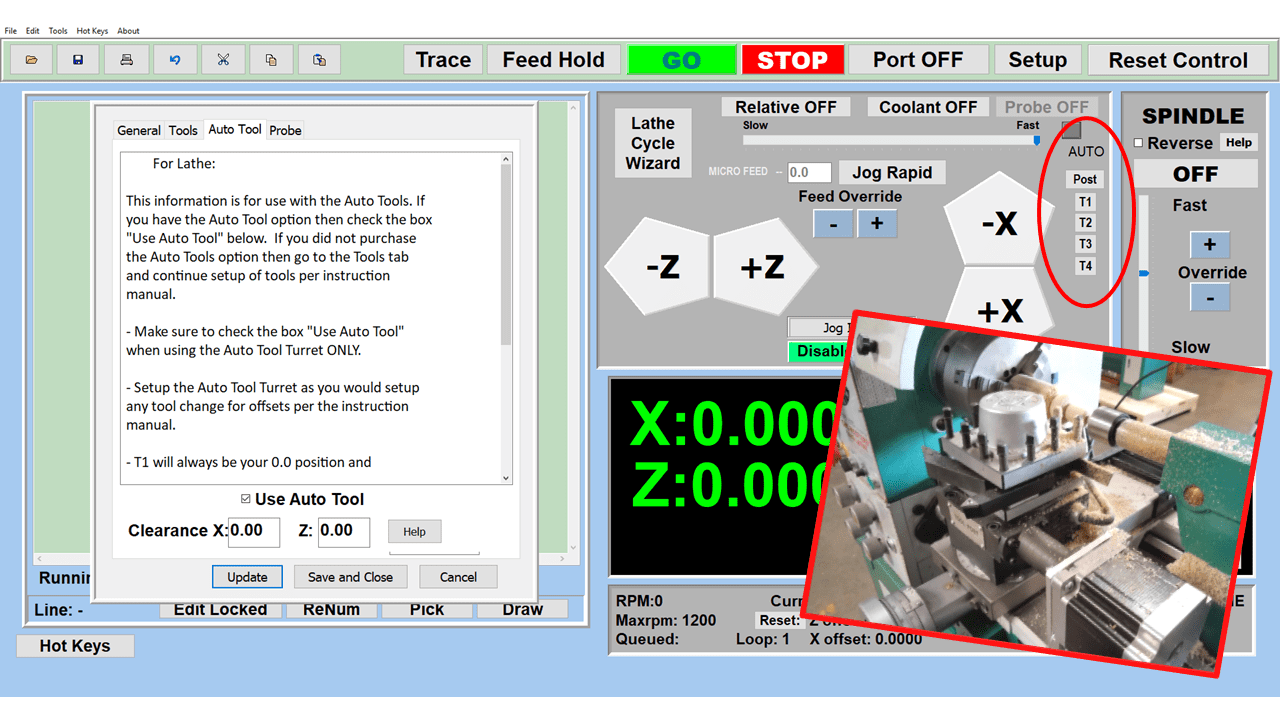
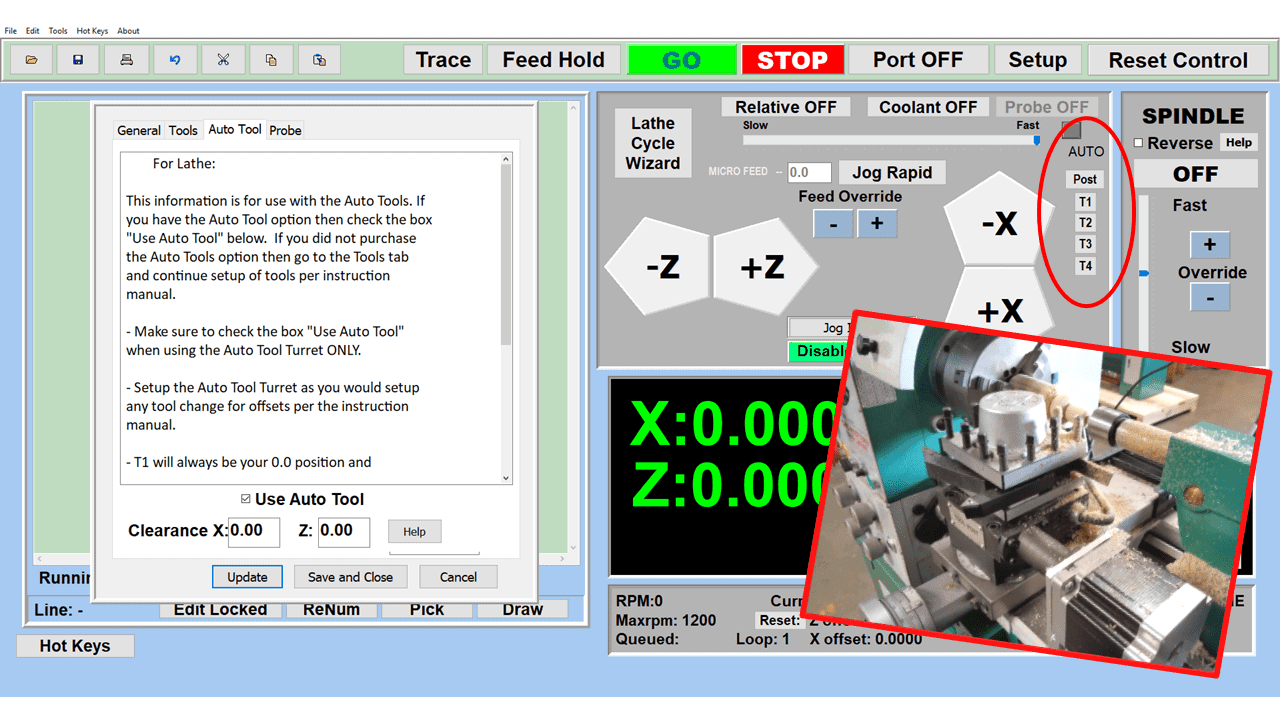
Today’s lathes have a headstock that has spinning bearings. A horizontal axle, which has an axis called the spindle, rotates with the bearings. A lathe has two spindles, a live spindle, which is found on the headstock and rotates with and produces motion to the material, and a dead (motionless) spindle that is located on the tailstock. The tailstock, the headstock’s counterpoint, contains a barrel that has a taper for holding tools. But not all lathes have the same parts because specialized accessories can be added to the basic design.
Craftsmen, hobbyists, and scientists using the 1340 lathe can produce metalwork in bulk without worrying that the quality will deteriorate halfway through the operation because the lathe is built to industrial standards. Learn more at CNCMasters.com.